The processor
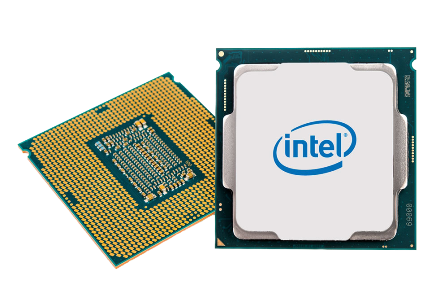
The processor, also called the CPU or central processing unit, is the brain of your computer. In PCs, it is built into a single chip – a small piece of silicon with a complex electrical circuit, called an integrated circuit – that executes instruction and coordinates the activities of all other units.
Three typical parts are:
• The control unit, which examines instructions from memory and executes them;
• The arithmetic and logic unit (ALU), which performs arithmetic and logical operations;
• The registers, high-speed units of memory used to store and control data.
The speed of a processor is measured in gigahertz (GHz). Thus, a CPU running at 4 GHz can make about four thousand million calculations a second. An internal clock sends our signals at fixed intervals to measure and synchronize the flow of data.
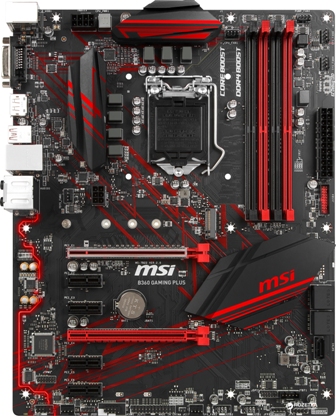
The main circuit board is known as the motherboard. This contains the CPU, the memory chips, expansion slots and controllers for peripherals, connected by internal buses, or paths, than carry electronic signals. For example, the front side bus carries all data that passes from the CPU to other devices.
Expansion slots allow you to install expansion cards which provide extra functions, e.g. a video card or a modem. Laptops have PC cards, the size of a credit card, which add features like sound, memory and network capabilities.
RAM and ROM
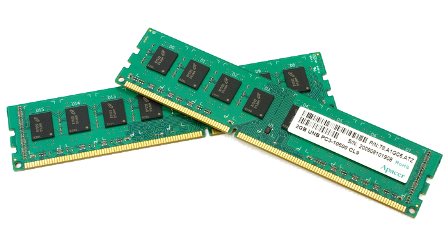
When you run a program, the CPU looks for it on the hard disk and transfers a copy into the RAM. RAM (random access memory) is temporary or volatile, that is, it holds data while your PC is working on it, but loses this data when the power is switched off.
However, ROM (read only memory) is permanent and contains instructions needed by the CPU; the BIOS (basic input/output system) used ROM to control communication with peripherals, e.g. disk drives.
The amount of RAM determines the number of programs you can run simultaneously and how fast they operate. It can be expanded by adding extra RAM chips.